
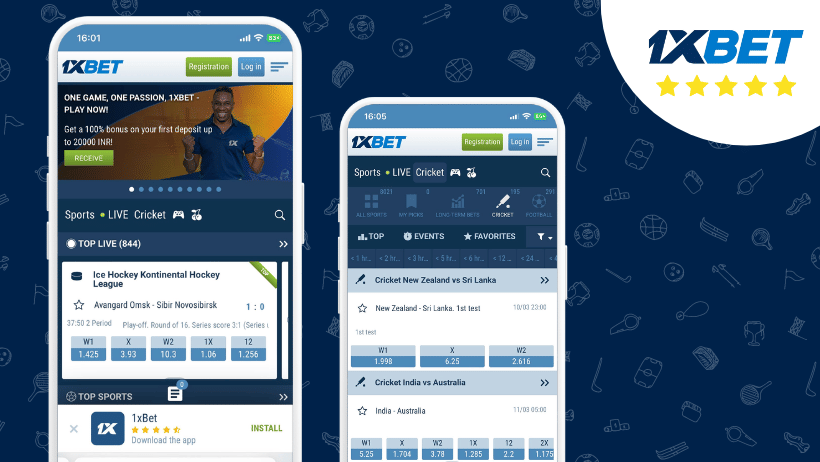
1xBet APK Download: What the Permission Screen Means
Gambling apps face uneven store availability across different territories, which sends many Android users toward direct file downloads. The 1xBet application arrives on phones through an APK package rather than an automated store installation, triggering a specific permission screen that often causes hesitation. Understanding what that dialog actually represents removes the guesswork from getting the software running. This guide treats that security prompt as the central puzzle to solve, building outward to cover retrieval, installation hurdles, updates, and what happens when the file route proves troublesome.
What an APK File Actually Does
APK files serve as complete Android application containers. When you download one, you receive the full executable rather than a stub that fetches additional components. The phone treats this as software from outside the sanctioned store ecosystem, which triggers defensive behavior.
Modern Android versions organize unknown-source permissions by app source rather than maintaining a single global toggle. Your browser receives separate authorization from your file manager. Granting permission to the browser allows installation of that specific APK, but you may revoke it immediately afterward through settings without affecting other software. The certificate signing the package matters for updates; a mismatched signature forces complete uninstallation rather than patching, which may wipe locally stored data including logged sessions or cached preferences.
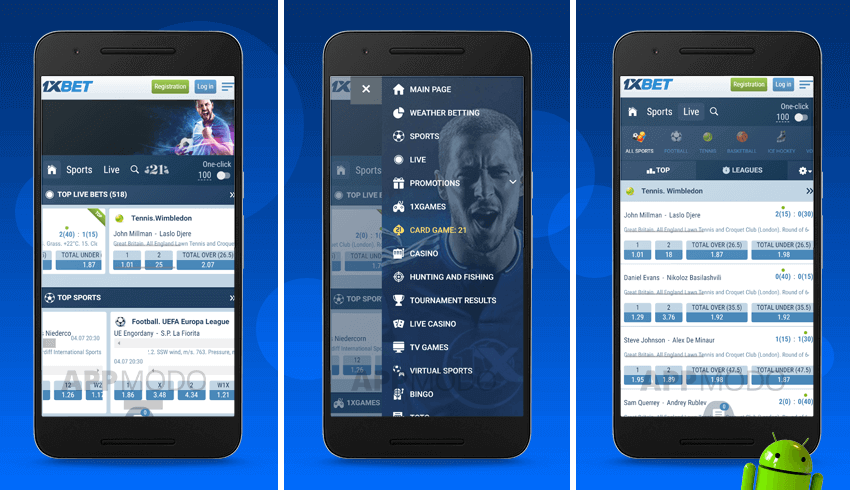
The 1xbet mobile package for android carries the full betting interface, payment processing, and account management tools in one bundle. Regional restrictions on gambling platforms in various official stores make this distribution method necessary rather than optional for many users.
Retrieval and Installation Steps
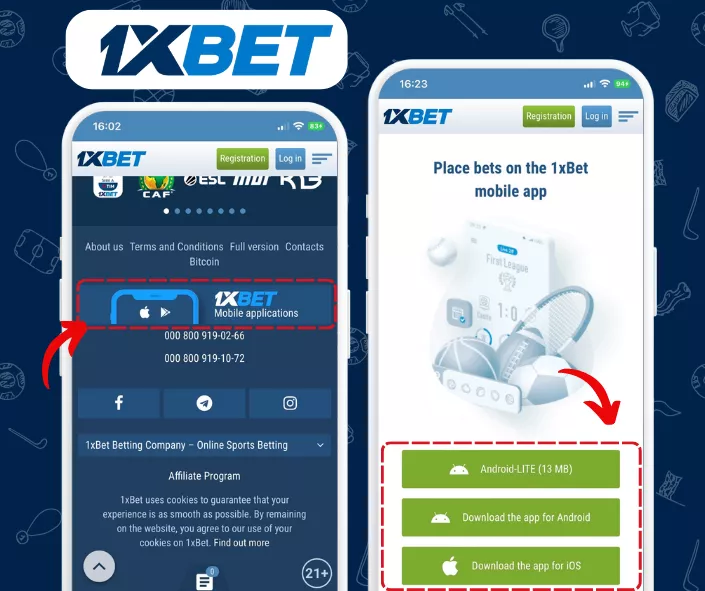
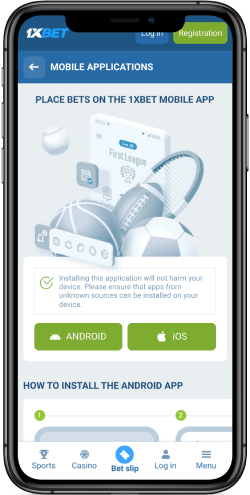
Locating the file requires visiting the operator’s mobile portal through your phone browser. The site detects Android systems and presents a direct download trigger. Storage location varies by browser configuration; most files land in a Downloads folder accessible through any file manager.
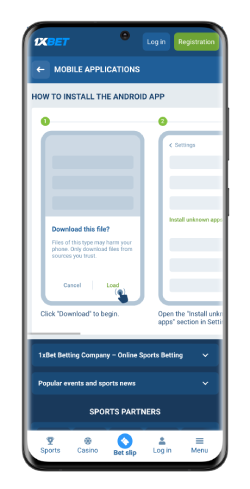
Opening the downloaded item launches Android’s package installer. This is where the permission screen appears. The dialog names the specific source requesting installation rights—your browser or file manager—and explains that Google does not routinely scan this software. The wording varies by Android version and manufacturer overlay, but the mechanical function remains consistent: you temporarily authorize one pathway to modify system files.
Post-installation, that permission serves no ongoing purpose. Navigate to Settings > Apps > Special app access > Install unknown apps, locate the source application, and disable the toggle. The 1xBet software continues functioning normally; you have merely closed the door behind you.
| Problem | Cause | Resolution |
|---|---|---|
| “App not installed” error | Corrupted download or signature conflict | Delete file, re-download, clear browser cache |
| Permission screen loops | Browser not granted access | Enable toggle in system settings before retry |
| Installation blocked entirely | Play Protect intervention | Disable Play Protect scan temporarily |
| Update fails silently | Certificate mismatch with installed version | Uninstall current version (data loss risk), fresh install |
| File won’t download | Server or connection timeout | Retry on stable Wi-Fi, check storage space |
Common Installation Failures and Corrections
Several predictable obstacles appear during manual installation. The “app not installed” message typically signals an incomplete download—packets lost during transfer corrupt the archive. Re-downloading after clearing browser cache usually resolves this. Less commonly, remnants of a previous installation create signature conflicts; Android refuses to overwrite an existing package signed differently than the incoming file.
Permission screens that reappear without progress indicate the system-level toggle was never engaged. Android distinguishes between viewing the permission dialog and actually flipping the switch. Some manufacturer interfaces bury this control under layered menus. Search “install unknown apps” within settings to locate the precise location on your specific software version.
Play Protect occasionally intervenes aggressively, presenting its own blocking screen before the native Android installer appears. This requires disabling Google’s scanning temporarily—a separate permission from the unknown-source authorization. Remember to re-enable protection afterward. Malfunctioning installations sometimes trace to storage limitations; the APK unpacks temporarily during installation, requiring free space beyond the file size itself.
Updates, Features, and When to Use the Mobile Site Instead
Update behavior depends on how the original installation was signed. Matching certificates allow straightforward patching; mismatches demand complete removal and replacement. Backing up account credentials externally prevents lockout when local data clears. The operator typically pushes update notifications within the app interface rather than through store mechanisms.
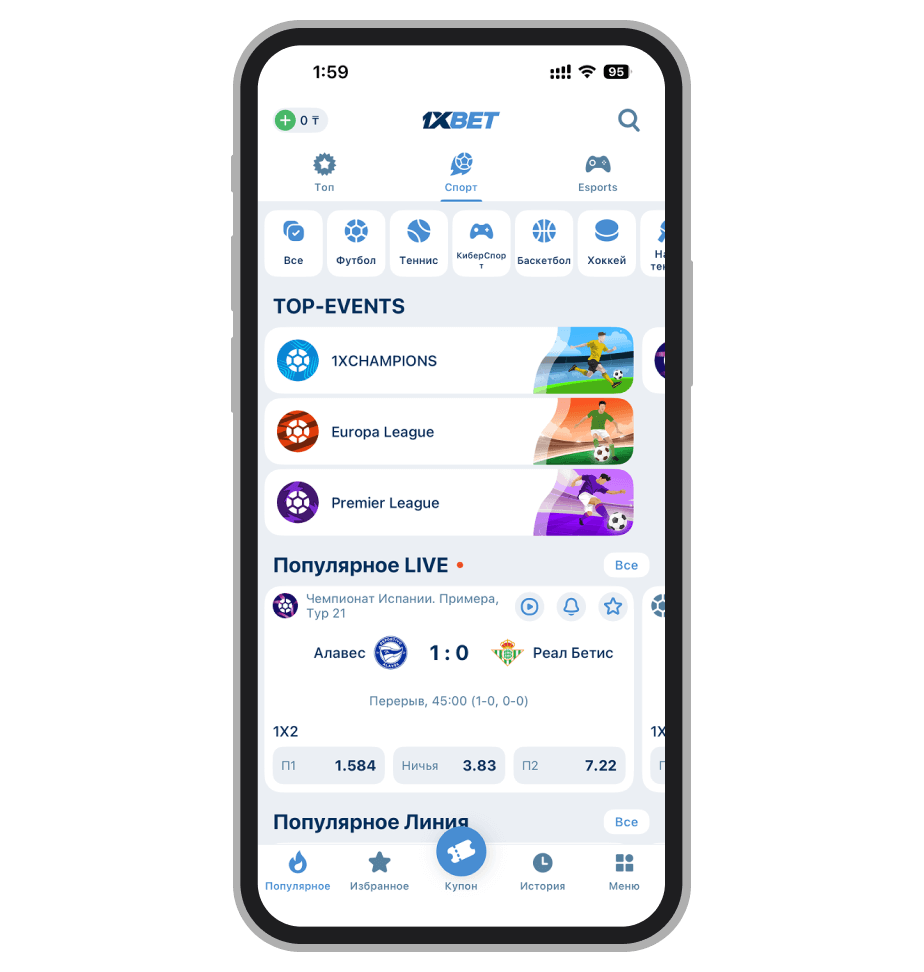
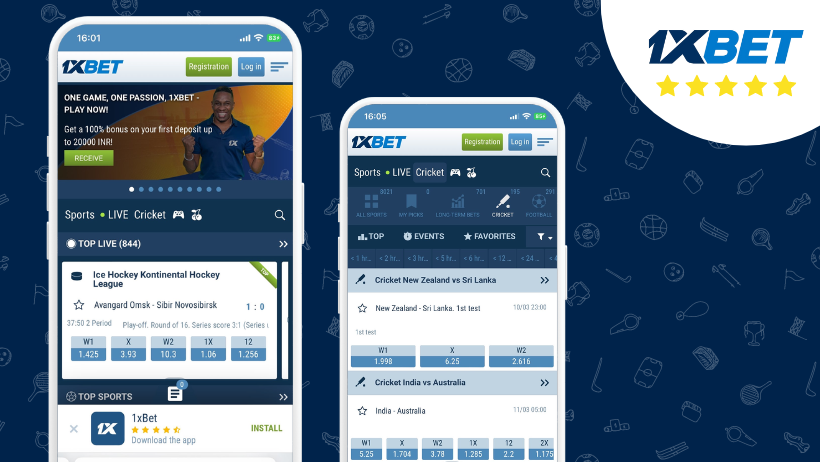
Core functionality mirrors the desktop experience: pre-match and football coverage, live wagering with shifting odds, casino tables and slots, plus wallet management for deposits and withdrawals. Interface elements and available payment methods shift by territory and regulatory environment. Set personal limits through account settings; gambling should remain within affordable boundaries.
The mobile website serves as a reliable fallback when APK installation proves impossible. Progressive web app technology allows browser-based shortcuts that mimic native software behavior, including push notifications and offline page caching. No permission screens appear, though performance depends on connection quality rather than local execution. Cache the login page for faster return access.
FAQ
Why does the permission screen specifically warn about harm to my device?
Android’s warning language applies broadly to all non-store software regardless of actual risk profile. The operating system cannot verify the package contents against Google’s scanning database, so it presents standardized cautionary text. The specific wording varies by Android version but always emphasizes potential harm rather than assessed probability.
Can I install without ever seeing that permission dialog?
No—Android mandates this interruption for any APK sourced outside the official store. Even automated sideloading tools trigger identical screens. The dialog is a gate, not an optional step; bypassing it requires store distribution, which gambling apps often lack in certain markets.
Does granting the permission give the browser permanent installation rights?
No. The authorization persists until manually revoked, but it confers no automatic installation capability. Each APK still requires individual approval at the moment of execution. Think of the permission as unlocking a door rather than opening it.
Will future updates require repeating the permission process?
Updates from matching certificates install silently without returning to the permission screen. If certificates differ—common when switching download sources—you face the same workflow as initial installation, including potential data loss from mandatory uninstallation.
What exactly am I authorizing when I tap “Allow”?
You grant one specific application—the browser or file manager—the temporary ability to execute code that modifies system app directories. This does not authorize the betting software itself to access unrelated phone functions. The permission scope is narrow, targeting the delivery mechanism rather than the delivered product.